May 11, 2026
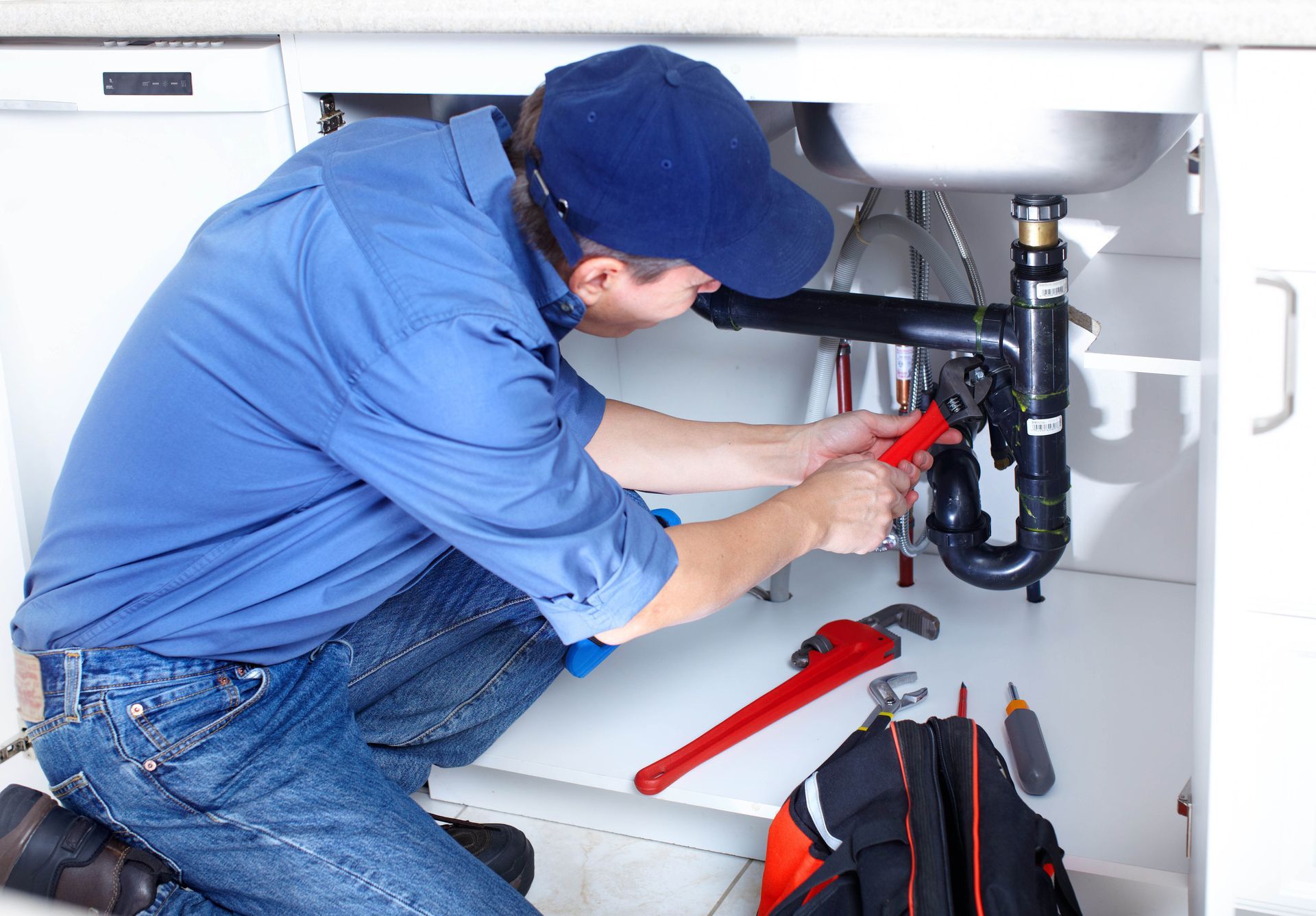
Finding a reliable professional to handle the pipes and water systems in your home is one of the most critical aspects of property maintenance. Whether you are facing a midnight pipe burst that threatens to flood your basement or planning a complex bathroom renovation, the person you hire will hold the safety and integrity of your home in their hands. Plumbing is often an invisible necessity, hidden behind walls and beneath floors, but when something goes wrong, it becomes the only thing a homeowner can think about. The stakes are high because water damage can lead to structural rot, mold growth, and astronomical repair bills if a job is not performed correctly.
According to Web FX, the U.S. plumbing industry is worth $124.2 billion. This massive valuation reflects the constant demand for skilled labor in residential, commercial, and industrial settings across the country. Because the industry is so lucrative, it attracts a wide variety of practitioners, making it even more important for consumers to perform due diligence before signing a contract. In this article, we will examine the essential steps you should take to verify credentials, compare quotes, and ultimately select the best professional for your specific household needs.
1. Verify Proper Licensing and Credentials
The first and most non-negotiable step in your search is to confirm that the individual or company holds a valid state license. Plumbing is a regulated trade for a reason; improper installations can lead to contaminated water supplies and hazardous gas leaks. A licensed plumber has demonstrated a foundational level of knowledge by passing rigorous exams and accumulating thousands of hours of supervised field experience. Each state has its own specific requirements, so you should check your local government's professional regulation website to ensure their license is active and in good standing.
Beyond the basic license, look for additional certifications that might be relevant to your specific project. Some professionals seek out extra training in green plumbing technologies, backflow prevention, or specific brand-name tankless water heater installations. While a general license is the baseline, these extra credentials show a commitment to ongoing education and a higher level of expertise in specialized areas of the trade. Never feel awkward about asking to see physical or digital proof of these documents before work begins.
2. Evaluate Years of Practical Experience
While every professional starts somewhere, there is no substitute for years of hands-on experience in the field. When you are interviewing a potential hire, ask how long they have been in business and what types of homes they typically service. A technician who has spent twenty years working on historic Victorian homes will have a much better understanding of antiquated galvanized piping than someone who primarily works on new construction.
Experience also dictates how quickly and accurately a problem can be diagnosed. An experienced plumber has likely seen your specific issue dozens of times before and can offer a more precise estimate and a more durable solution. They are also less likely to be surprised by hidden complications that often arise once a wall is opened up. If you are dealing with a complex issue like a slab leak or a main sewer line replacement, prioritize a company with a proven track record in those specific, high-stakes areas.
3. Seek Out Transparent Pricing Models
Pricing is often where the most friction occurs between homeowners and service providers. To avoid sticker shock at the end of a job, look for a company that provides clear, written estimates. A professional should be able to explain the breakdown of costs, including labor, materials, and any potential permit fees. Be wary of anyone who gives you a hard quote over the phone without seeing the problem first; plumbing is too variable for sight-unseen pricing to be truly accurate.
Furthermore, ask whether the company charges by the hour or by the job. Flat-rate pricing is becoming increasingly popular because it gives the homeowner a set price regardless of how long the repair takes. Hourly rates can be more cost-effective for simple tasks but can become unpredictable if the professional runs into unexpected hurdles. A trustworthy plumber will be honest about potential worst-case scenarios and provide a range for the estimate so you can budget accordingly.
4. Research Local Reputation and Reviews
In the digital age, a company's reputation is more visible than ever before. Spend some time reading reviews on third-party platforms, but do not just look at the star rating. Read the text of the reviews to see how the company handles pressure and mistakes. Does the plumber show up on time? Do they leave the workspace clean? Most importantly, if a customer had a complaint, did the company respond professionally and attempt to make it right?
Word of mouth remains one of the most powerful tools in your arsenal. Ask neighbors, friends, and family members who they use for their home repairs. People are usually very vocal about both great experiences and terrible ones. If a specific name keeps coming up as being reliable and honest, that is a strong indicator that you have found a winner. A long-standing local reputation is often more valuable than a flashy advertisement in a phone book or on a social media sidebar.
5. Analyze the Provided Work Warranty
A true professional stands behind their work with a solid warranty or guarantee. Before you agree to any services, ask about the warranty on both the parts used and the labor performed. Most high-quality fixtures and water heaters come with a manufacturer's warranty, but the installation itself should also be guaranteed by the company. If a newly installed pipe starts leaking a week after the technician leaves, they should return to fix it at no additional cost to you.
The length and terms of the warranty can tell you a lot about the company's confidence in their own skill. A one-year warranty on labor is standard in the industry, though some top-tier providers may offer longer protection. Be sure to get the warranty terms in writing as part of your final invoice. A company that offers no guarantee on their work is a major red flag and should be avoided, as it leaves you with no recourse if the repair fails.
6. Assess Professionalism and Communication Style
The way a company treats you during the initial phone call is often a preview of how they will treat your home. Are they polite and helpful? Do they return calls in a timely manner? Professionalism also extends to the physical arrival of the technician. A reputable plumber should arrive in a marked vehicle, wear a uniform, and use floor protectors to keep your home clean. These small details show a level of respect for the customer and the trade.
Communication is especially important when things get complicated. If a part is on backorder or a repair is going to take longer than expected, you want someone who will keep you informed rather than leaving you in the dark. A professional who takes the time to explain the "why" behind a repair rather than just telling you the "how much" is someone who values transparency and wants to build a long-term relationship with their clients.
Is your home's plumbing in need of an expert touch? Contact Gabriele Plumbing & Heating today to schedule an inspection or receive a transparent estimate for your next project.